Phone Battery Types
3207
views

The revolution of smartphones have changed the dynamics of every part of life. With the continuous development in the smartphone’s technology, they have become the integral part of human life. A phone can be used for playing games, watching movies, performing office work etc. But the smartphone needs a stable power to perform these tasks. The job of keeping mobile phones active has been done considerably well by the phones batteries over the years. In this article, we will try to figure out the battery types of smartphones, their benefits and de-merits, the future of batteries.
Nickel Cadmium Batteries:
Nickel cadmium battery (NiCd or NiCad) is a type of rechargeable battery using nickel oxide hydroxide and metallic cadmium as electrodes. Nickel cadmium batteries have been firstly used by mobile manufacturers as a source of power for phones. With the advancements in battery technology few disadvantages have been covered of Nickel Cadmium Batteries. The Fatal disadvantage is Memory effect (battery effect, lazy battery effect) is an effect that causes them to hold less charge. It describes the specific situation in which Nickel cadmium batteries gradually lose their maximum energy capacity if they are repeatedly recharged after being only partially discharged. Which means the energy storing capacity remains half after several hundred charges. Due to memory effect and few other disadvantages its use has been abandoned by smartphone producers.
Nickel Metal Hydride Batteries:
Nickel Metal Hydride battery is an advancement in Nickel Cadmium battery technology. It uses the same technology but has the capacity to store twice as much energy then Nickel Cadmium battery. It also has the Memory Effect but in lesser degree to the former battery technology. The battery life of this battery is also 30 to 40 % longer than the Nickel Cadmium battery. This battery is used in mobile phones as this technology is affordable and far better than the former technology.
Lithium Ion Battery:
A lithium-ion battery is another rechargeable battery. It uses different technique from above battery technologies as in this battery lithium ions move from the negative electrode to the positive electrode during discharge and back when charging. They are one of the most popular types of rechargeable batteries with a high energy density, tiny memory effect and low self-discharge.High Energy Density means it can provide long running time despite being lighter in size. This feature has increased the importance of Lithium Ion Batteries among others. Another advantage of this battery is low self-discharge means it discharge slowly than other rechargeable batteries. The other important features are quick charging rate, longer span time than other batteries.
On the flip side, it has some disadvantages too. It is expensive and sensitive to high temperatures. Lithium Ion battery is 30 to 40 % expensive as compared to Nickel Metal Hydride battery. Also, this battery may explode when overheated or overcharged which possess a danger to health.
Despite these have some disadvantages, Lithium Ion batteries are widely used in the mobile phones due to their mighty advantages.
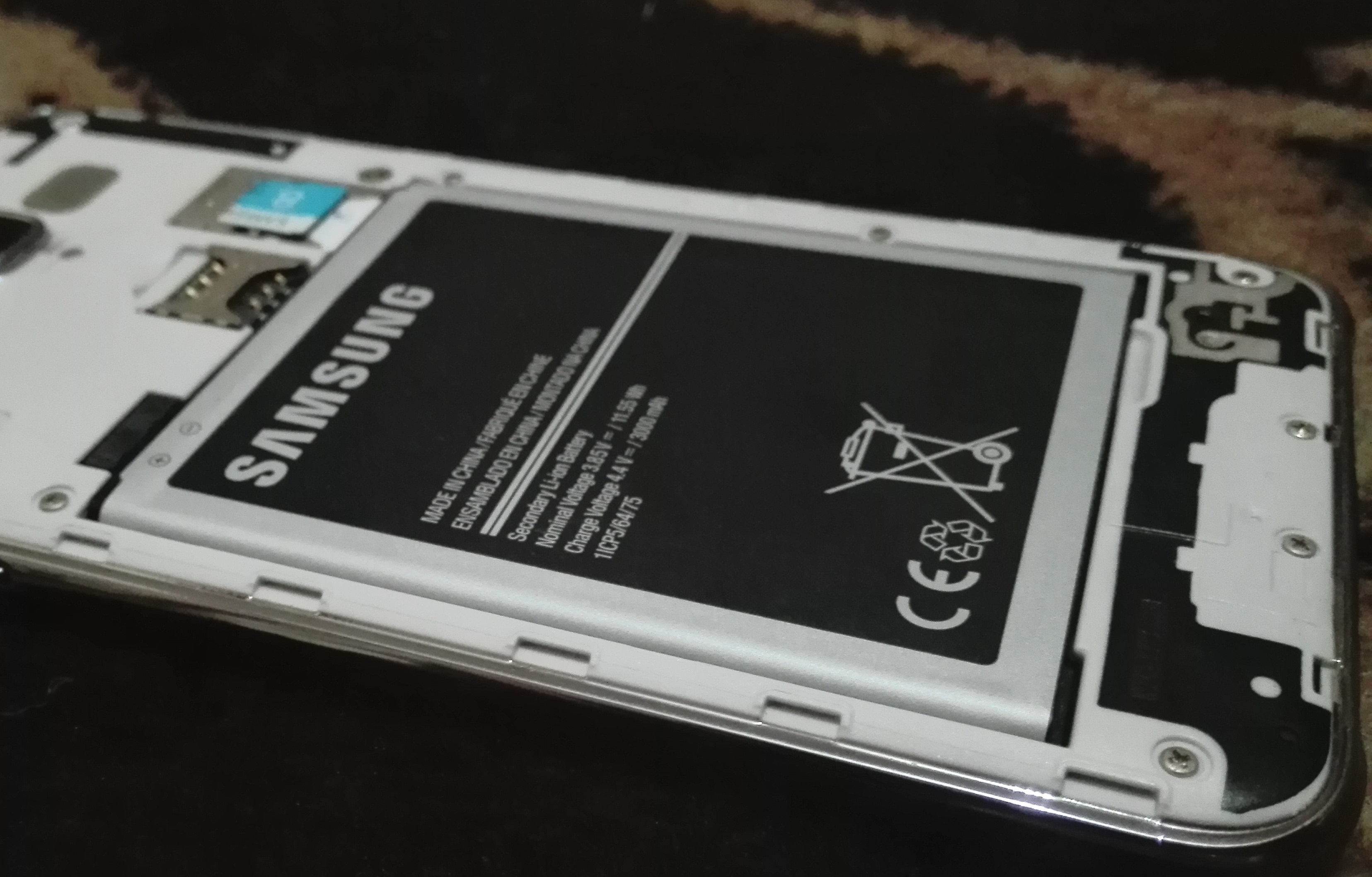
Lithium Polymer Battery:
A Lithium Polymer battery is a rechargeable battery of lithium-ion technology in a pouch format. This has been more advanced technology in batteries. Lithium Polymer batteries are lighter in weight, thinner in size, high safety factor, low memory effect and also fewer chances of explosion. The drawbacks of this battery are higher prices, not as high energy density as compared to Lithium Ion batteries. Lithium Polymer Batteries have also been widely used in the phones.